
This post may contain affiliate links. As an Amazon Affiliate, I may earn a small commission from qualifying purchases at no extra cost to you. Read the full disclaimer here.
No historical period has produced more historical fiction than the Second World War, and for obvious reasons. It’s the last conflict within living memory for anyone still alive to tell you about it directly, and it left behind an almost unmanageable wealth of real stories: resistance networks, codebreakers, survivors, home fronts held together by people who had no choice but to hold them.
I’ve already covered a few WW2 essentials in my broader best historical fiction books list. This guide goes deeper, organized by the different angles the genre tends to take on the war. If you want to browse further afield once you’re done here, the historical fiction genre hub has the wider list.
Resistance Fighters And Spies

1. The Alice Network by Kate Quinn
Connects two women across two wars: Eve, a real member of the WWI-era Alice Network of female spies, and Charlie, an American searching for her missing cousin in 1947 France. Quinn's gift is refusing to tidy up what surviving that kind of work actually does to a person. Eve, decades later, is bitter, damaged, and entirely believable.

2. The Rose Code by Kate Quinn
Three women at Bletchley Park during the codebreaking effort that shortened the war, and their friendships, rivalries, and the secrets they're bound by decades of silence to keep. If you've read The Alice Network and want more Quinn, this is the natural next stop. I've also got a dedicated [Kate Quinn reading order guide](https://www.litloop.co/blog/kate-quinn-books-in-order/) if you want to work through her whole catalogue.

3. Code Name Verity by Elizabeth Wein
Two young women, a Scottish spy and the pilot who flew her into occupied France, in a story told partly as a prisoner's confession to her Nazi captors. Frequently shelved as YA, but its structure (an unreliable narrator writing under duress) makes it one of the more formally interesting entries on this list.

4. The Diamond Eye by Kate Quinn
Based on the real story of Lyudmila Pavlichenko, the Red Army's most lethal female sniper, credited with over 300 confirmed kills before being pulled from combat and sent on a diplomatic tour of the United States. Quinn's third WW2 novel on this list, and a good sign of just how much ground she's covered in the genre.
Holocaust And Survival

5. The Tattooist Of Auschwitz by Heather Morris
Based on the real testimony of Lale Sokolov, who was forced to tattoo identification numbers onto fellow prisoners at Auschwitz-Birkenau, and who fell in love with one of them. Morris has written it more as a novel drawn from years of interviews with Sokolov than as strict history, which has drawn some criticism over factual accuracy, but the emotional core is undeniable.

6. Salt To The Sea by Ruta Sepetys
Follows four young people from different backgrounds converging on the Wilhelm Gustloff, a German ship evacuating refugees and wounded soldiers near the end of the war, and one of the deadliest maritime disasters in history that most readers have never heard of. Sepetys specializes in exactly this: the corners of WW2 history that don't usually make it into fiction.

7. Lilac Girls by Martha Hall Kelly
Based on the real story of Caroline Ferriday, an American socialite who worked to support survivors of Ravensbrück concentration camp, told alongside the perspectives of a Polish prisoner and a German doctor complicit in the camp's medical experiments. The three-perspective structure is what makes it work. You get victim, bystander-turned-advocate, and perpetrator all in the same book.

8. The Boy In The Striped Pyjamas by John Boyne
Told through the eyes of Bruno, the eight-year-old son of a concentration camp commandant who doesn't understand what the striped-pyjama-wearing people on the other side of the fence are actually there for. The naivety of the narration is the whole point, and it's exactly what makes the ending land as hard as it does. It's a shorter, simpler read than most of this list, and often a reader's first introduction to the Holocaust in fiction.
Prisoners Of War

9. King Rat by James Clavell
Set inside Changi, the Japanese POW camp in Singapore where Clavell himself was held during the war, following an American corporal who's built himself a small empire running the camp's black market while everyone around him starves. It's a much colder, harder book than most of this list, more interested in what captivity does to hierarchy and morality than in heroism. If you want your WW2 fiction to sit somewhere other than Europe, this is the one to start with.
Home Front And Family Sagas

10. The Nightingale by Kristin Hannah
Two sisters in Nazi-occupied France, one sheltering a German officer in her home, the other joining the Resistance. I've covered it in more depth in my main [historical fiction list](https://www.litloop.co/blog/best-historical-fiction-books/); it's essential reading for this genre regardless of where you find it first.
11. The Book Thief by Markus Zusak
Narrated by Death, following a foster child in Nazi Germany who steals books and shares them with the people sheltering a Jewish man in their basement. Also covered in more depth on my main list, and included here for completeness, since no WW2 fiction guide is honest without it.

12. The Guernsey Literary And Potato Peel Pie Society by Mary Ann Shaffer and Annie Barrows
A gentler entry than most of this list. An epistolary novel about a London writer corresponding with residents of German-occupied Guernsey after the war, built around a book club they formed during the Occupation as cover for illegal gatherings. If the rest of this list feels relentlessly heavy, start here instead.

13. Winter Of The World by Ken Follett
Book two of Follett's Century trilogy, following five interlinked families through the rise of the Third Reich, the major battles of WW2, and the dawn of the atomic age. It's a doorstopper, but Follett's gift for weaving huge historical events into personal, page-turning drama hasn't gone anywhere since Pillars of the Earth. If you want the full sweep of the century, Fall of Giants covers WWI first and Edge of Eternity carries the story on into the Cold War.

14. Courtney's War by Wilbur Smith
Saffron Courtney, a young Special Operations Executive agent, is sent into occupied Belgium and Holland to investigate a leak that's exposing SOE agents to the Nazis, while the man she loves flies for the Luftwaffe under his own secret allegiance. It's a big, pacy, old-school adventure novel rather than a literary one, and a good pick if you want your WW2 fiction to move fast. It's part of Smith's long-running Courtney family saga, so there's plenty more to read either side of it if you get hooked.
Literary And Prestige Fiction
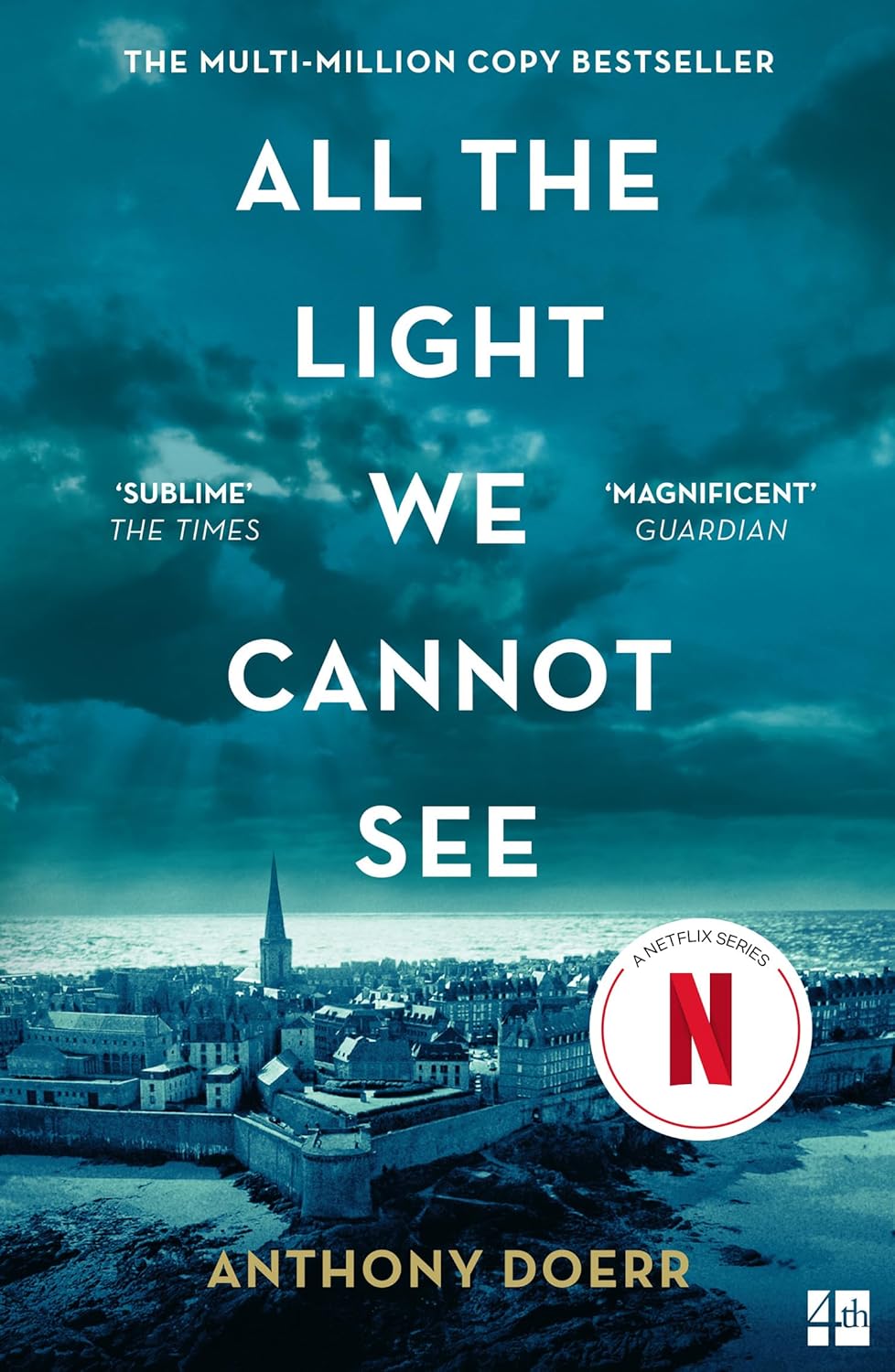
15. All The Light We Cannot See by Anthony Doerr
The Pulitzer winner, following a blind French girl and a German boy conscripted into the Hitler Youth as their paths converge during the siege of Saint-Malo. Covered in full on my [best historical fiction books](https://www.litloop.co/blog/best-historical-fiction-books/) list. It's as much a WW2 novel as it is a work of literary fiction, and belongs on both lists.

16. Beneath A Scarlet Sky by Mark T. Sullivan
Based on the real story of Pino Lella, an Italian teenager who became a guide smuggling Jewish refugees across the Alps into Switzerland before being conscripted into the German army as a spy for the Italian resistance. Less well-known than some of the others on this list, but every bit as gripping, and stranger than most fiction, because it's true.

17. Suite Française by Irène Némirovsky
Unlike everything else on this list, this one wasn't written with hindsight. Némirovsky drafted it while living under German occupation in France, before her arrest and death at Auschwitz in 1942. The manuscript survived in a notebook kept by her daughter for decades before it was finally read and published in 2004. It follows French civilians fleeing Paris and then living alongside occupying German soldiers, and the immediacy of it, written by someone who didn't know how the story would end, is what sets it apart from every other book on this list.
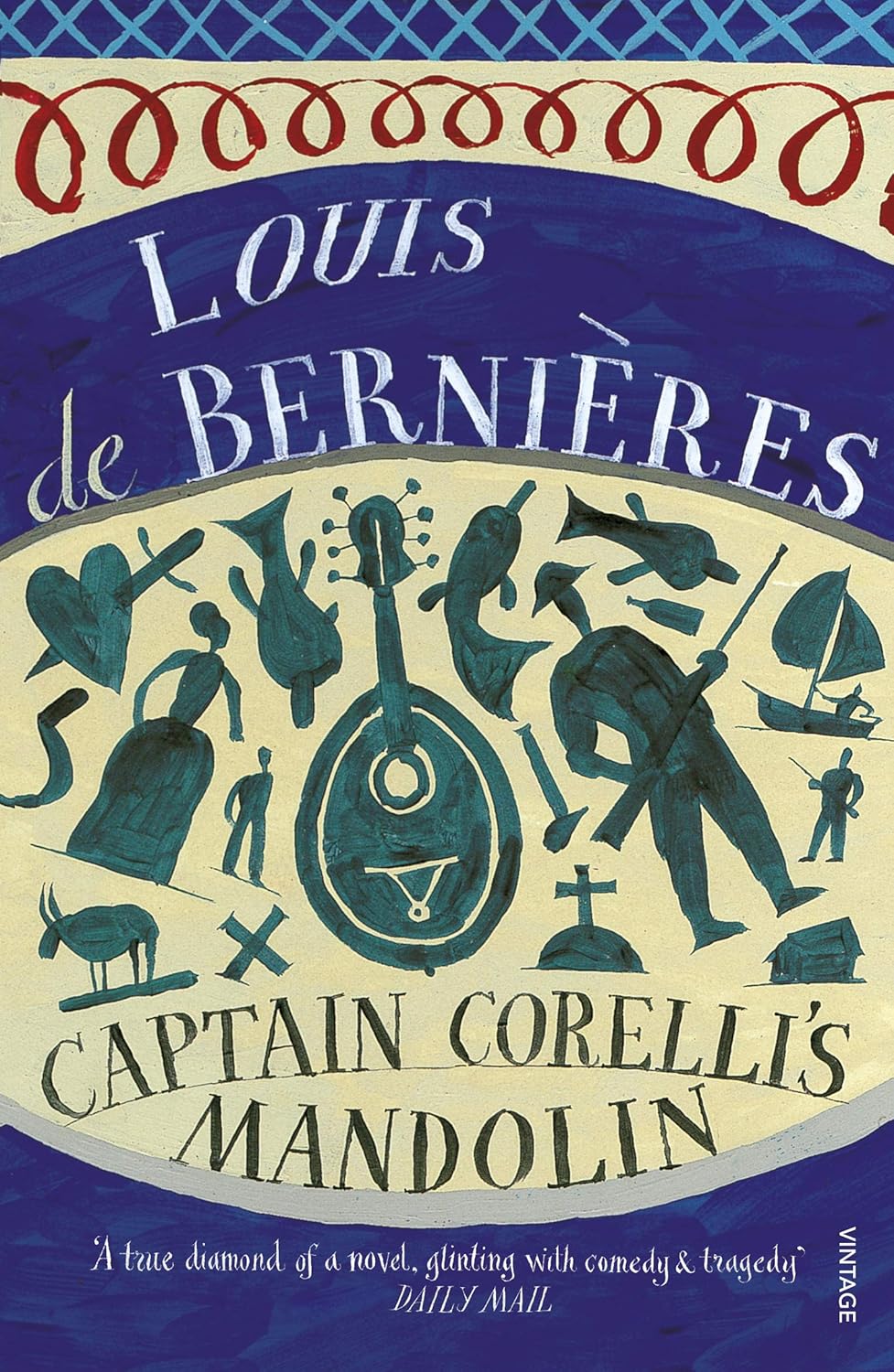
18. Captain Corelli's Mandolin by Louis de Bernières
Set on the Greek island of Cephalonia during the Italian and German occupation, following the love affair between a local doctor's daughter and an Italian officer billeted in her home. De Bernières writes with a mix of wit and genuine sadness that's hard to pull off well, and this is where he does it best. It's one of the more purely beautiful entries on this list, though be warned the ending divides readers.
You might also be interested in Sunset In The East by Ben Luxon
Distant futures, bizarre aliens, AI and automatons come together in this compelling collection of thought-provoking science fiction short stories. Perfect for sci-fi enthusiasts and fans of Black Mirror. Learn more →
Now available for Kindle and paperback, and free for Kindle Unlimited users.
Final Thoughts
What separates the best WW2 historical fiction from the merely competent is specificity: the real convoy, the real codebreaking room, the real ship most people have never heard sank. Every book on this list is doing that in a different corner of the war, from the resistance networks and the concentration camps to POW camps, the home front, and the quiet acts of survival that don’t usually make it into the history books at all.
If you want more from any of the authors here, I’ve got a dedicated Kate Quinn reading order guide, and my broader historical fiction books list if you want to range further afield than just the war. You can also browse the full historical fiction genre hub for the wider Top 100.
Track your way through these books, log what you’ve read, and find your next WW2 historical fiction pick on Litloop, the free reading tracker for fiction fans.
You Might Also Like
Love books? You'll love Litloop.
Track your reading, send personal recs, and have real conversations about the books you love.
Create free accountFree forever · Beta now live · iOS & Android apps coming soon