Grimdark Fantasy
Fantasy stripped of its illusions — morally grey heroes, brutal consequences, and worlds that feel earned rather than imagined. The anti-epic for readers who've grown up.
The Grimdark Top 100
The essential grimdark reads, curated and ranked. How many have you read?
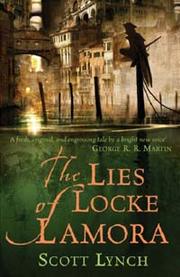
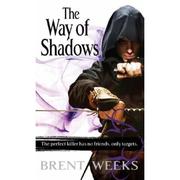
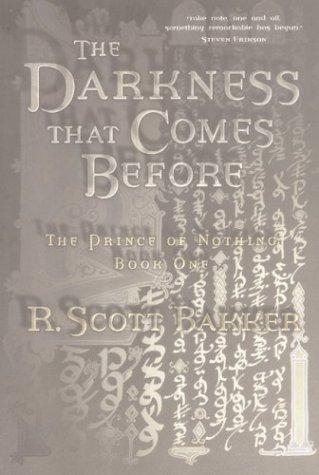
Essential Grimdark
Grimdark is fantasy's reckoning with itself. Where traditional epic fantasy offers clean moral lines — heroes, villains, destiny — grimdark insists that power corrupts, heroes fail, and victory costs more than it's worth. It's not nihilism; at its best, it's moral seriousness.
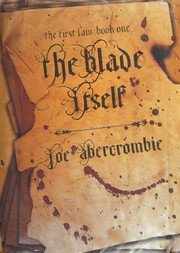
The defining text: Joe Abercrombie's The Blade Itself essentially named the genre. Its genius is structural: it takes all the epic fantasy archetypes and slowly reveals the ugly humanity beneath them. Read the First Law trilogy in order.
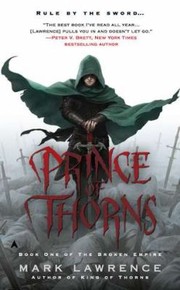
For psychological depth: Mark Lawrence's Prince of Thorns is narrated by a monster who may be the most compelling protagonist in modern fantasy. If that lands, continue with King of Thorns and Emperor of Thorns — it pays off massively.
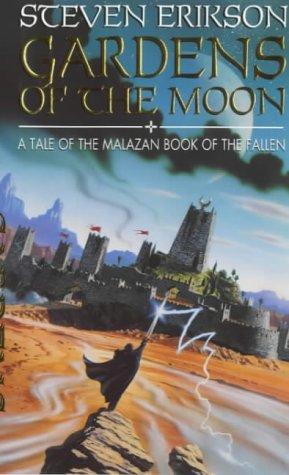
For scope and war: Steven Erikson's Gardens of the Moon is the most ambitious grimdark series ever attempted. It's deliberately difficult on first entry — stick with it. Nothing else comes close for scale or philosophical weight.
More accessible entry points: John Gwynne's Malice is grimdark with more heart than most, and K.J. Parker's work is perfect for readers who want dark irony over dark violence.
Fantasy Writing Prompt Generator
Grimdark is fantasy with the gloves off. Use the fantasy generator — set the tone to Grimdark.