This post may contain affiliate links. As an Amazon Affiliate, I may earn a small commission from qualifying purchases at no extra cost to you. Read the full disclaimer here.
Historical fiction is the closest thing books can offer to time travel. A good historical fiction book does more than describe a place and time. It makes you feel the past, puts you inside it, in the mud and the smoke and the candlelight, until the distance between then and now stops mattering.
I’ve already written about my favourite historical fiction authors as a starting point for the genre.
This list takes a closer look at some of the exceptional novels, from ancient Rome to the trenches of the First World War, from Tudor court intrigue to time-slip romance. If you’re after the best historical fiction books of all time then, in no particular order, this is the place to start.
1. Wolf Hall by Hilary Mantel
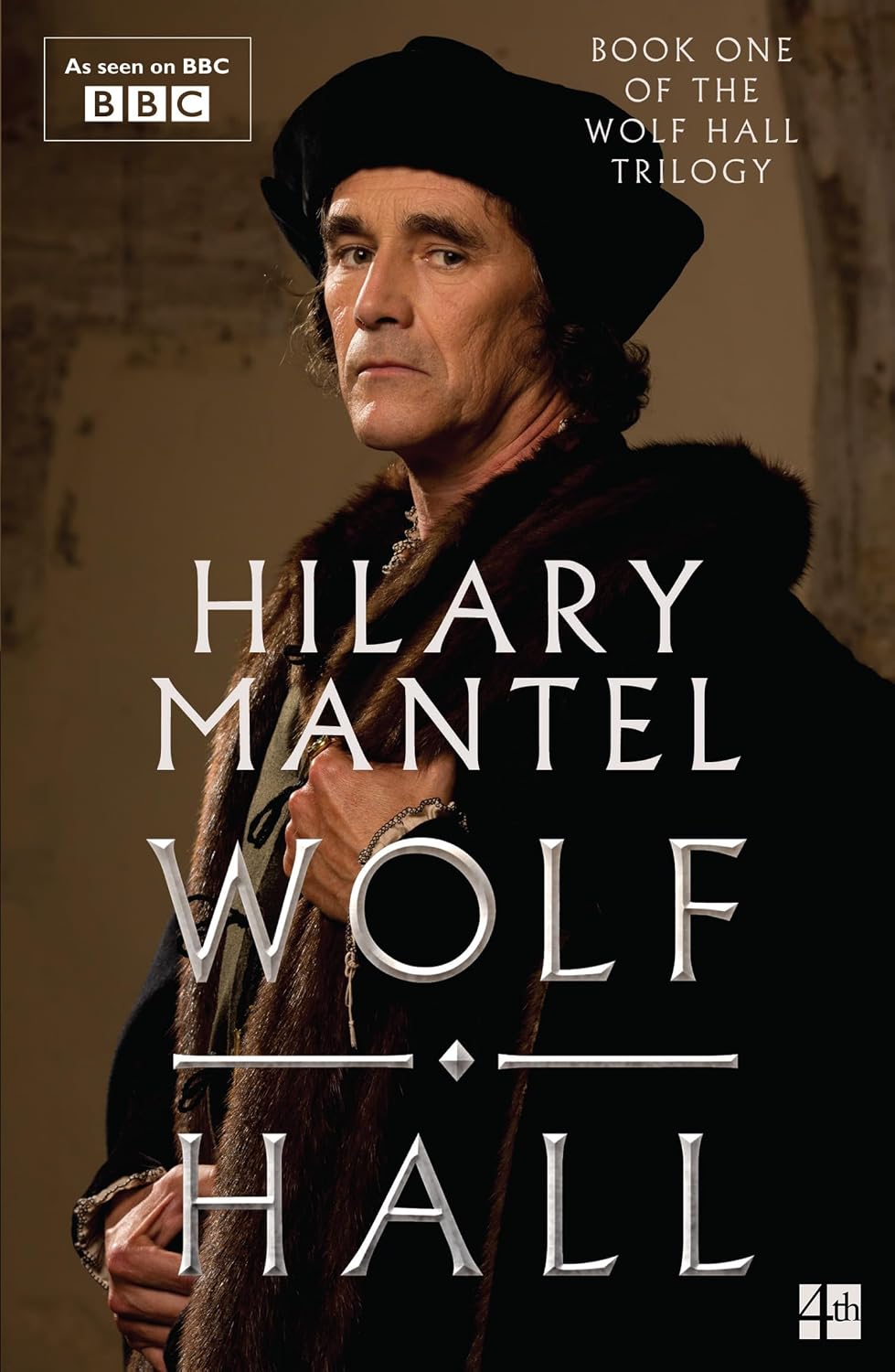
Hilary Mantel’s Thomas Cromwell trilogy, Wolf Hall, Bring Up the Bodies, and The Mirror and the Light, is as close to a consensus masterpiece as historical fiction gets. Told almost entirely through Cromwell’s perspective as he rises from blacksmith’s son to Henry VIII’s most powerful advisor, Mantel’s prose puts you inside a mind that’s calculating three moves ahead in every conversation.
It’s not always an easy read, Mantel’s present-tense, close-third style takes some adjusting to, but few books have done more to prove that historical fiction can win the same prizes as literary fiction.
2. All the Light We Cannot See by Anthony Doerr
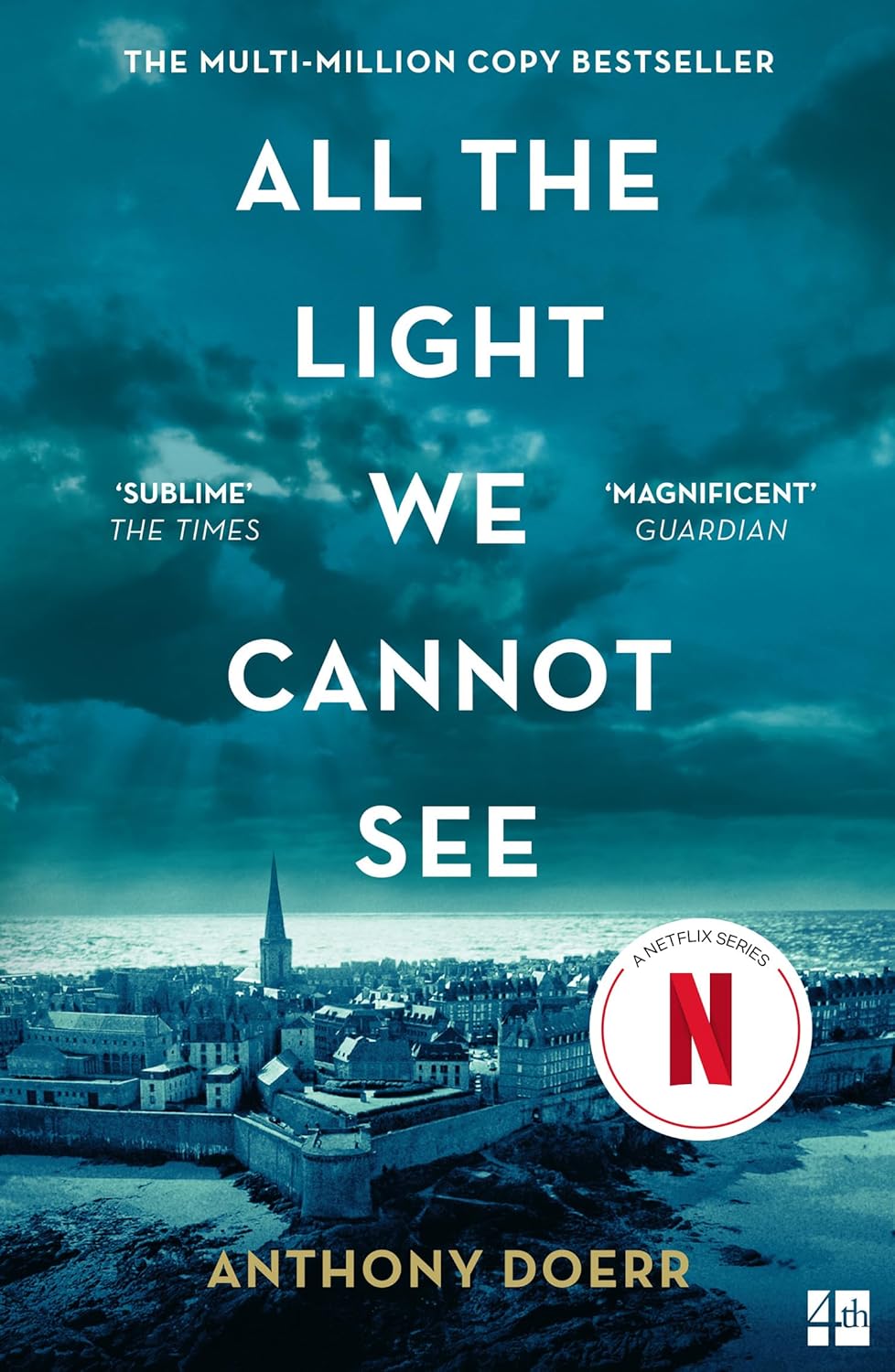
Anthony Doerr’s Pulitzer winner follows a blind French girl and a German boy conscripted into the Hitler Youth, their paths converging during the 1944 siege of Saint-Malo. It’s told in short, often page-long chapters that jump between years, building toward a single, devastating point of contact.
What makes it stand out from the crowded shelf of WW2 fiction is the prose itself. Doerr writes about radio waves, locks, and seashells with the same precision most novelists reserve for people, and somehow that makes the human moments land harder.
3. The Nightingale by Kristin Hannah

Kristin Hannah’s breakout historical novel follows two sisters in Nazi-occupied France: Vianne, who has to house a German officer while her husband is a prisoner of war, and Isabelle, who joins the Resistance and starts smuggling downed Allied airmen over the Pyrenees.
It’s unapologetically emotional, Hannah wants you crying by the final chapters, and she earns it, and it’s become one of the defining entry points into WW2 fiction for readers who haven’t read much of the genre before. If you loved it, I’ve got a full list of read-alikes coming soon.
4. The Book Thief by Markus Zusak

Narrated by Death itself, The Book Thief follows Liesel Meminger, a foster child in Nazi Germany who steals books and shares them with the people around her, including the Jewish man her family is hiding in their basement.
It’s a genuinely unusual structural choice, an omniscient, weary narrator who already knows how everyone’s story ends, and it gives the book a strange, tender distance from horrors that would otherwise be unbearable to read straight. It is frequently shelved as YA, but it rewards readers of any age, and if you’re looking for an accessible option to start your journey into historical fiction this is a good one to start with.
5. The Alice Network by Kate Quinn

Kate Quinn has become one of the defining names in modern historical fiction, and The Alice Network is where a lot of readers discover her. It connects two women across two wars: Eve, a real member of the WWI-era Alice Network of female spies, and Charlie, a pregnant American searching for her missing cousin in 1947 France.
Quinn writes both women as flawed, difficult, and entirely convincing, this isn’t a tidy redemption arc, it’s a study of what surviving that kind of work actually costs.
6. Pillars of the Earth by Ken Follett

Ken Follett’s 12th-century epic about the building of a cathedral in fictional Kingsbridge is one of those rare historical novels that’s genuinely about work, the politics of masonry, architecture, and ambition, as much as it is about the people caught up in it.
It’s a doorstopper. Genuinely. You’re going to have to pluck up some courage to tackle this one. But Follett manages to create a world so viscerally real and so compelling that after a thousand pages you can’t help but want more.
If you want a single book that captures what medieval England actually felt like to live in, the mud, the plague, the brutal unfairness of who got to have power, this is still the one most people reach for first.
7. I, Claudius by Robert Graves

Robert Graves gives voice to Emperor Claudius, stammering, limping, dismissed by his own family as a fool, and turns him into one of the most compelling narrators in the genre. Claudius survives the murderous intrigue of the Julio-Claudian dynasty precisely because everyone underestimates him.
It’s nearly a century old now and still holds up as one of the sharpest political novels set in ancient Rome. And there is an excellent 1976 TV adaptation as well if that’s your kind of thing.
8. The Song of Achilles by Madeline Miller

Madeline Miller’s retelling of the Iliad through the eyes of Patroclus is one of the defining books of the last decade of historical-adjacent fiction, equal parts myth, war story, and love story. I’ve covered it in much more depth, alongside Circe and the rest of the Greek mythology retelling boom, in this dedicated post, so I’ll keep this entry short, but no “best of” list in this space is complete without it.
9. Shōgun by James Clavell

Set in 1600 as an Englishman is shipwrecked on the shores of feudal Japan, Shōgun is dense, meticulously researched, and genuinely gripping, following John Blackthorne as he’s pulled into the political maneuvering between rival warlords in the final years before the Tokugawa shogunate. The 2024 TV adaptation introduced it to a whole new generation of readers, but the novel remains the fuller, richer version of the story.
As a side note, my second favourite book by James Clavell is one called King Rat, set in a Japanese WW2 prisoner of war camp. It’s shorter and perhaps more accessible than Shōgun if you’re looking for an easier access point to Clavell’s work.
10. The Last Kingdom by Bernard Cornwell

I’ve been reading Cornwell since my early teens and honestly didn’t think he could top the Sharpe series. But he did. Bernard Cornwell’s Uhtred of Bebbanburg, a Saxon raised by Vikings, loyal to neither side and trusted by both, anchors one of the best-researched, most viscerally written series in the genre. Cornwell doesn’t just describe the shield wall; he puts you inside it, boots in the mud, shoulder against the man next to you.
It’s the best entry point into Viking-age fiction I know of, and at thirteen books, it’ll keep you occupied for a very long time.
11. A Discovery of Witches by Deborah Harkness

Part historical fiction, part fantasy, part slow-burn romance, Deborah Harkness’s All Souls trilogy follows Diana Bishop, a reluctant witch and Oxford historian, after she unknowingly summons an enchanted manuscript in the Bodleian Library, and draws the attention of Matthew Clairmont, a centuries-old vampire geneticist.
It’s a genre-blender in the best sense: real historical texture (Harkness is an actual historian) wrapped around a story that owes just as much to gothic romance and urban fantasy.
12. Kindred by Octavia Butler

Octavia Butler’s Kindred uses time travel as a blunt, devastating tool: Dana, a Black woman in 1970s California, is repeatedly pulled back to the antebellum South to save the life of the white plantation owner’s son who will one day become her own ancestor.
In true Butler style (looking at you, Parable of the Sower), it’s not comfortable reading, and it isn’t meant to be, Butler uses the mechanics of time travel to make the horror of slavery immediate in a way that straight historical narrative rarely manages. If this kind of thing is your jam, then I’m dropping in a special mention here for Toni Morrison’s Beloved as well.
13. Spinning Silver by Naomi Novik

Moving away from slavery, next up is Naomi Novik’s fairytale-inflected fantasy, loosely built around the Rumpelstiltskin myth and set in an alternate medieval Eastern Europe, sits right on the border between historical fantasy and folklore retelling. Miryem, a moneylender’s daughter, discovers she can turn silver into gold, and finds herself trapped in a bargain with the king of a dangerous winter realm.
Novik also wrote an excellent series called her Temeraire books: Napoleonic war… with dragons. I’ll say no more on this here though.
14. The Bear and the Nightingale by Katherine Arden
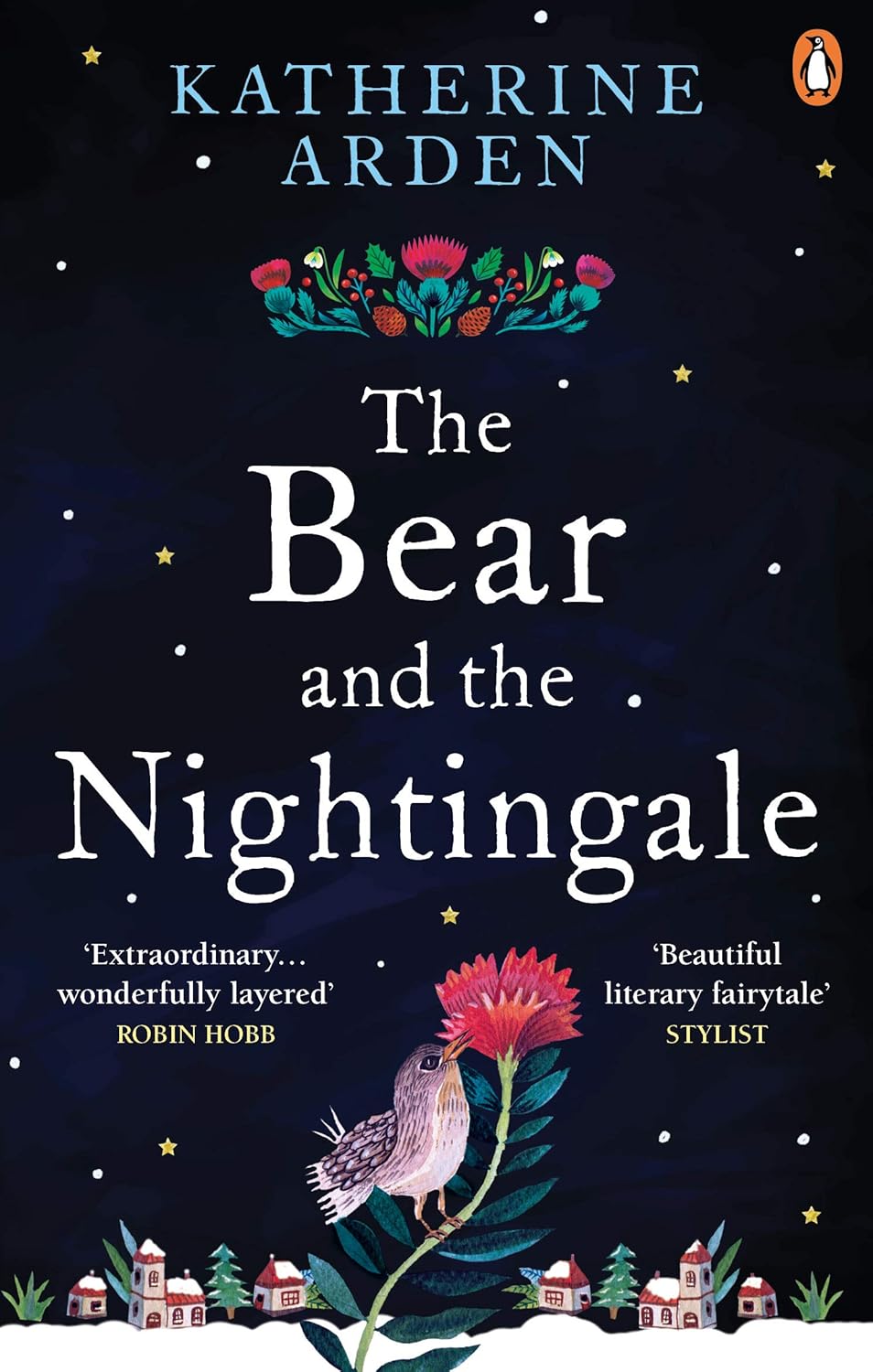
Katherine Arden’s debut, set in a fairy-tale-tinged medieval Russia, follows Vasya, a girl who can see the household spirits her village has stopped honouring, right as a new, more rigid form of Christianity starts pushing the old ways out. It’s cold, atmospheric, and genuinely folkloric in a way that few English-language historical fantasy novels manage.
15. The Other Boleyn Girl by Philippa Gregory
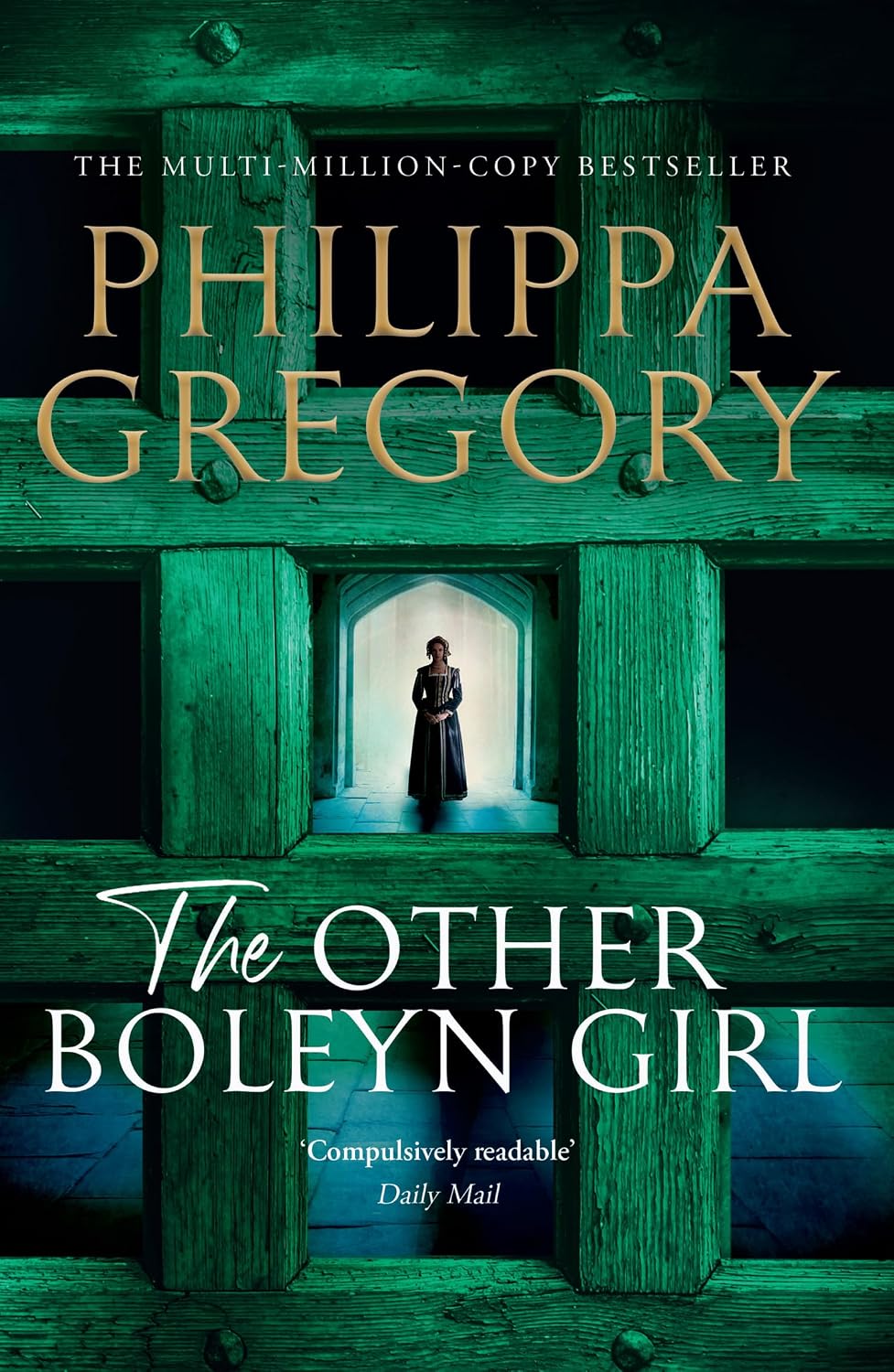
Philippa Gregory’s breakout novel, told from the perspective of Mary Boleyn as her sister Anne maneuvers her way into Henry VIII’s court and, eventually, his marriage bed, is the book that made Tudor court drama a mainstream phenomenon. It’s faster and pulpier than Mantel’s Cromwell trilogy, and unapologetically so, this is history as high-stakes family drama, and it’s enormous fun.
How They Stack Up
| # | Book | Goodreads Rating | Screen Adaptation |
|---|---|---|---|
| 1 | Wolf Hall | 3.91 | Yes — Wolf Hall (BBC/Masterpiece, 2015 & 2024) |
| 2 | All the Light We Cannot See | 4.31 | Yes — Netflix miniseries (2023) |
| 3 | The Nightingale | 4.65 | In production — film adaptation (2027) |
| 4 | The Book Thief | 4.39 | Yes — film (2013) |
| 5 | The Alice Network | 4.32 | No |
| 6 | Pillars of the Earth | 4.35 | Yes — miniseries (2010) |
| 7 | I, Claudius | 4.24 | Yes — BBC series (1976) |
| 8 | The Song of Achilles | 4.30 | No (a TV adaptation was in development but fell through) |
| 9 | Shōgun | 4.41 | Yes — FX/Hulu series (2024–) |
| 10 | The Last Kingdom | 4.27 | Yes — Netflix/BBC series (2015–2022) |
| 11 | A Discovery of Witches | 4.02 | Yes — Sky series (2018–2022) |
| 12 | Kindred | 4.31 | Yes — FX on Hulu series (2022) |
| 13 | Spinning Silver | 4.18 | No |
| 14 | The Bear and the Nightingale | 4.08 | No |
| 15 | The Other Boleyn Girl | 4.09 | Yes — film (2008) |
Goodreads ratings correct as of July 2026. Ratings shift over time, so treat these as a snapshot rather than gospel.
The Best Historical Fiction Books: Final Thoughts
If there’s a thread running through every book on this list, it’s that the best historical fiction books of all time don’t just teach you what happened, they make you feel what it was like to be there when it did. Whether that’s the Roman senate, the Blitz, or a fictional cathedral town in medieval England, the goal is always the same: to make the past feel as urgent as the present.
This list will keep growing as I add dedicated guides for each era and author, Ancient Rome, Ancient Greece, the Vikings, Tudor England, and more are all coming. For now, if you want author-by-author recommendations rather than a book-by-book list, start with my guide to the best historical fiction authors.
Want to track your progress through this list, rate each one, and see what other historical fiction fans are reading? You can do all of that on Litloop’s historical fiction hub.
You Might Also Like

Love books? You'll love Litloop.
Track your reading, send personal recs, and have real conversations about the books you love.
Create free accountFree forever · Beta now live · iOS & Android apps coming soon