This post may contain affiliate links. As an Amazon Affiliate, I may earn a small commission from qualifying purchases at no extra cost to you. Read the full disclaimer here.
Historical fiction has something of a reputation problem. A lot of people treat historical fiction as a sensible read, a genre you tackle when you want to feel a bit more productive or a bit more high-brow about your reading time. That reputation can be, I think a bit off-putting. No one likes homework, after all.
However, I also want to say, that reputation is wrong. Sure a badly writtin historical fantasy novel can be dry as bone and as dense as any literary tome. But, great story-telling transcends genre.
What the best historical fiction authors share is restraint. They research a period until they know it cold, then bury almost all of that research so the story never feels like work. What’s left on the page is people making choices, with real consequences, against events that actually happened. The world-building and characters and events become more grounded, the stakes higher, the tension heightened because of the genre not in spite of it.
I’ve pulled together 15 authors who do this well, across very different registers. Some of these books you’ll finish in a weekend. Others ask more of you and pay it back with interest.
If you want to browse further, our historical fiction genre hub has the wider list, and our guide to the best books about Greek mythology is a good next stop if the ancient world section below grabs you.
New To Historical Fiction? Start Here
If you want something fast that pulls you straight into a period, start with Bernard Cornwell or Conn Iggulden. If you want something more literary that will sit with you for a while after you finish it, Hilary Mantel or Colm Toibin are better entry points. If romance is doing a lot of the work for you, Diana Gabaldon or Beatriz Williams.
There’s no wrong place to begin. The genre covers such a wide range of tone that your first pick says more about what you want from a book than it does about historical fiction itself.
15 Historical Fiction Authors And Where To Start With Them
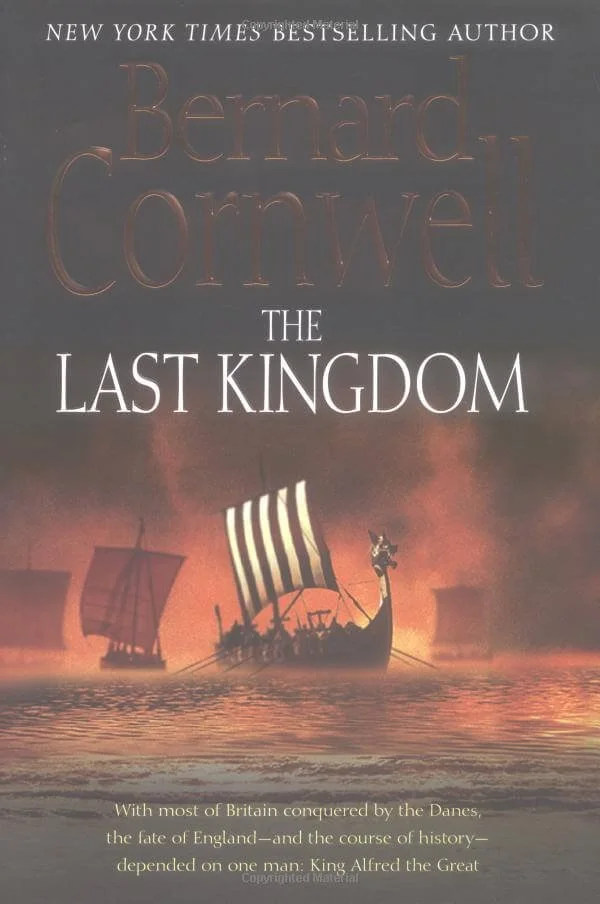
1. Bernard Cornwell - The Last Kingdom
Bernard Cornwell has spent five decades writing about men fighting for survival on muddy, bloody battlefields, and doing it better than most people in the genre. His Sharpe series follows Richard Sharpe (played by a young Sean Bean in the TV adaptation if that's your cup of tea) through the Napoleonic Wars across 22 books, so once you start there's no shortage of reading ahead of you.
The Last Kingdom series is probably his best known work now thanks to the recent Netflix adaptation, and it holds up on the page even if you've already watched Uhtred fight his way across Britain. Cornwell writes battles with a level of tactical clarity that most historical fiction authors don't attempt. You can actually follow what's happening and why.
Connect with: The Warlord Chronicles, his Arthurian trilogy and arguably his best work, quieter and more melancholic than the Saxon Stories. Or the Sharpe series if you want to move forward a few centuries.
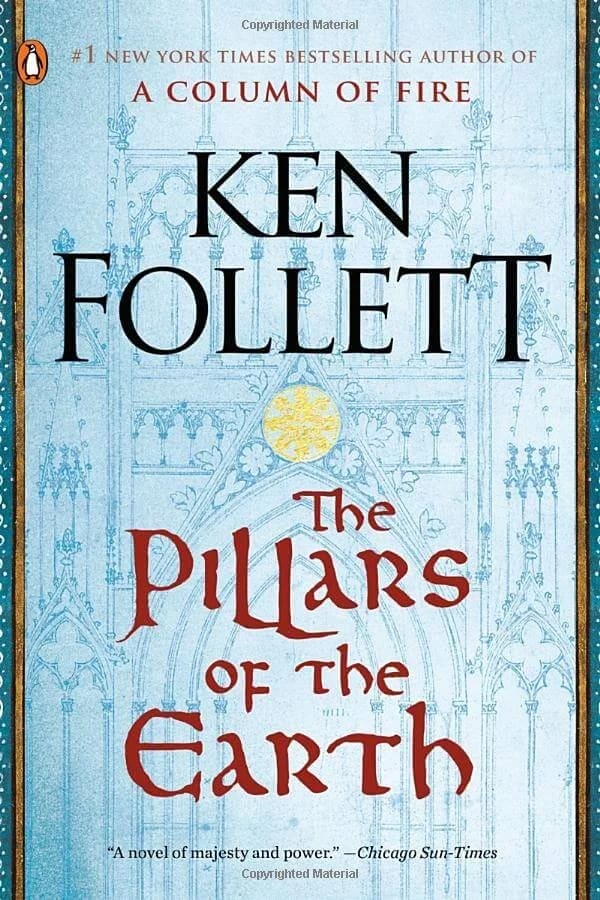
2. Ken Follett - Pillars Of The Earth
I didn't expect to love this book as much as I did. It's a massive multi-generational epic that i've now reread multiple times.
Ken Follett is Welsh, and has written across thriller and historical fiction for most of his career, though it's the historical fiction that people tend to remember him for.
Pillars of the Earth, his best known book, follows the building of a cathedral in 12th century England and everyone whose life gets tangled up in it. It's a long book, but Follett paces it so well the length never drags, and the BBC adaptation is worth watching alongside the novel rather than instead of it.
Connect with: World Without End, the direct sequel set two centuries later, or the Century trilogy if you want to follow Follett all the way into the 20th century.
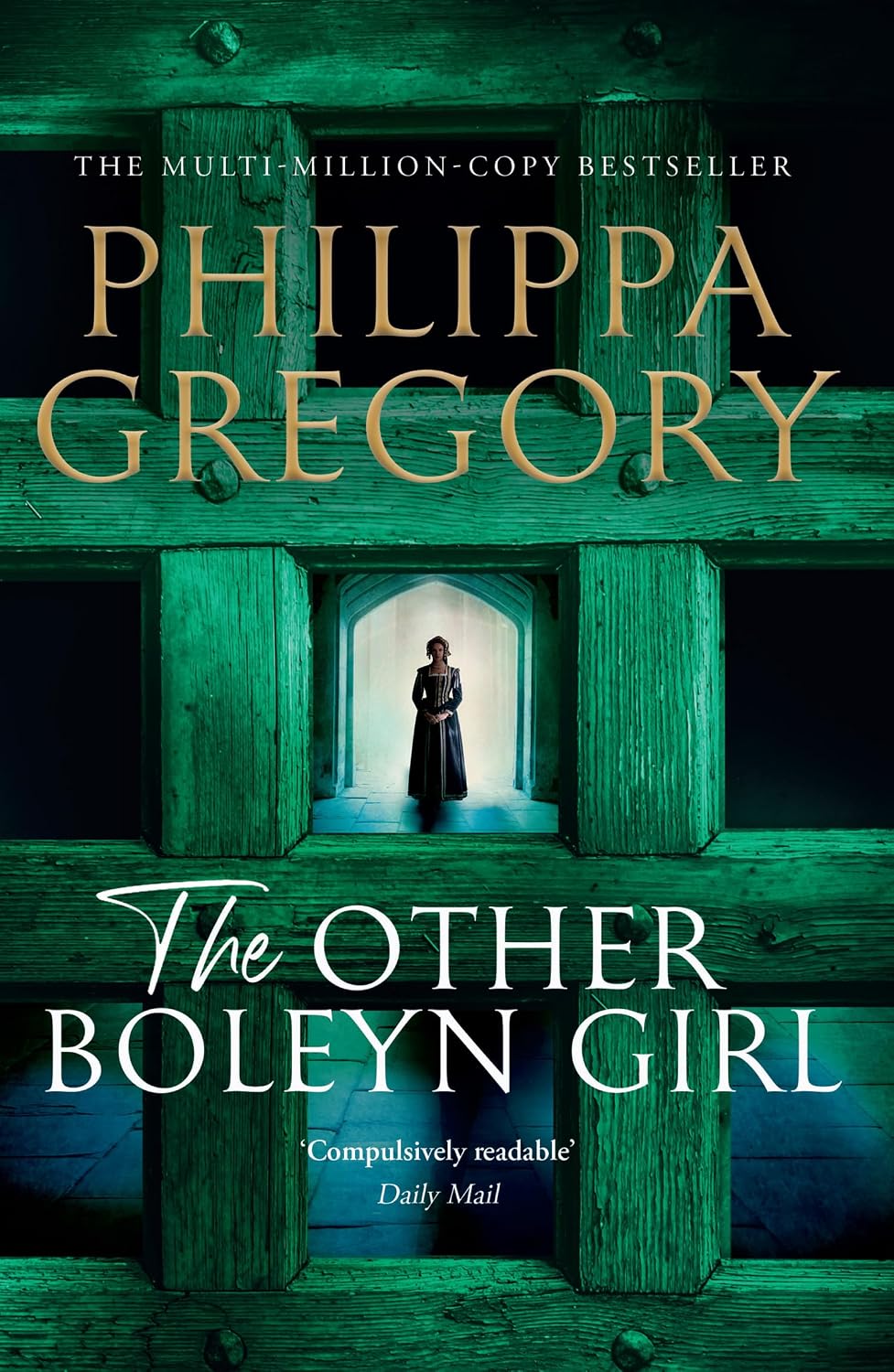
3. Philippa Gregory - The Other Boleyn Girl
Philippa Gregory has a PhD in eighteenth century literature, and it shows in how confidently she moves through the Tudor court. The Other Boleyn Girl, her best known novel, tells the story of Mary Boleyn, Anne's sister, who was Henry VIII's mistress before Anne ever caught his eye.
Gregory's real skill is writing ambitious, calculating women without turning them into villains for wanting power in a world that gave them almost none of it. The Tudor court has been covered by dozens of authors since, but Gregory's version is the one most readers meet first, and it's usually why they stay in the genre.
Connect with: The White Queen, set a little earlier during the Wars of the Roses and also adapted for TV.
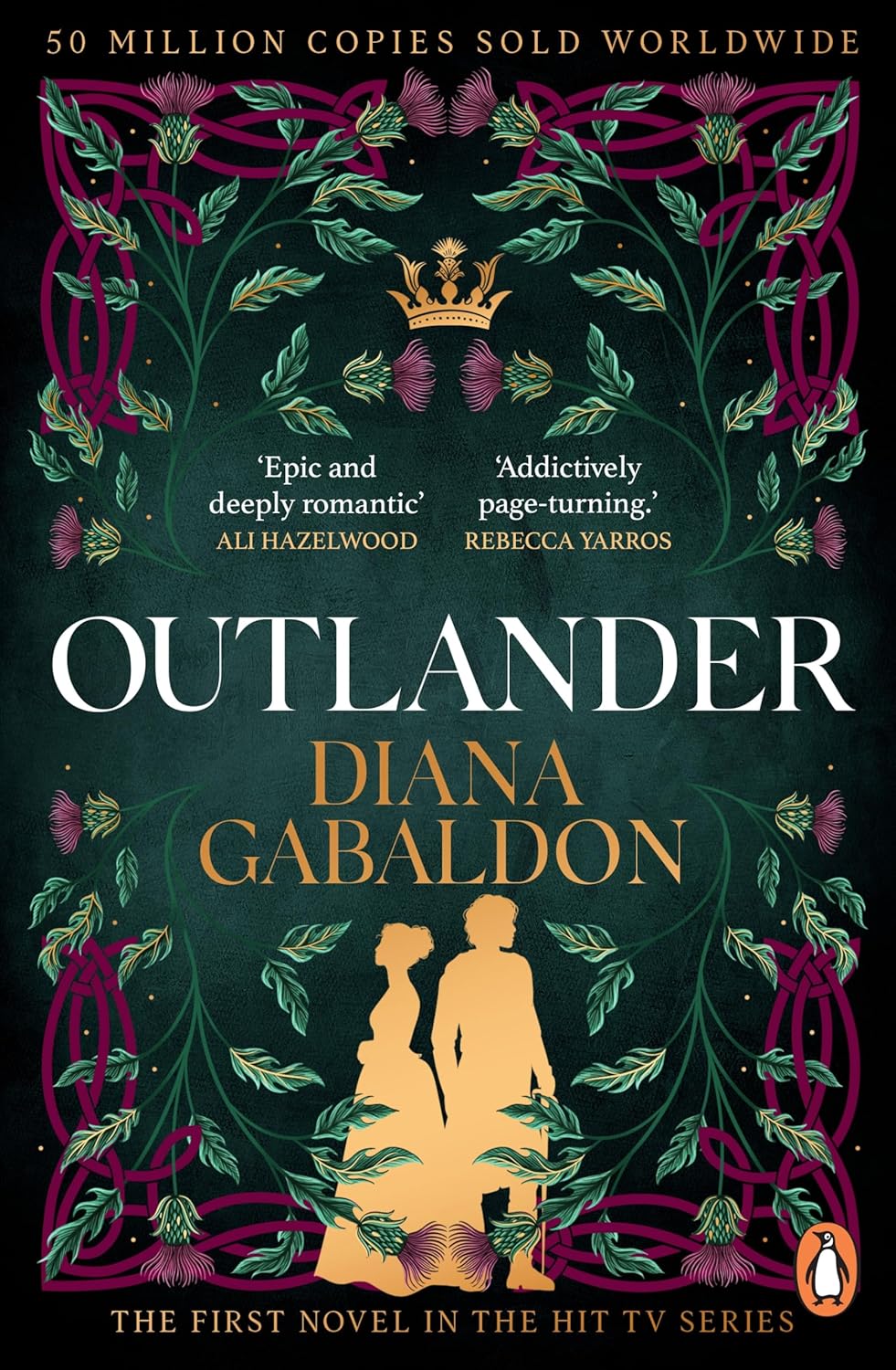
4. Diana Gabaldon - Outlander
Diana Gabaldon didn't set out to write historical fiction. She has a PhD in behavioural ecology, and started her first novel as a private writing exercise with no real plan to publish it, partly inspired by an old Doctor Who episode. What came out was Outlander, in which a nurse from 1945 falls through standing stones into 1743 Scotland, and one of the most successful historical fiction series ever published followed from there.
The books blend historical fiction with romance and a light touch of time travel, and Gabaldon researches the 18th century as thoroughly as any straight historical novelist working today. If the size of the series puts you off, the Starz adaptation is a reasonable way in, though the books go further than the show has ever had time for.
Connect with: the series now runs to nine main books, so once you're in, you're in for a while.
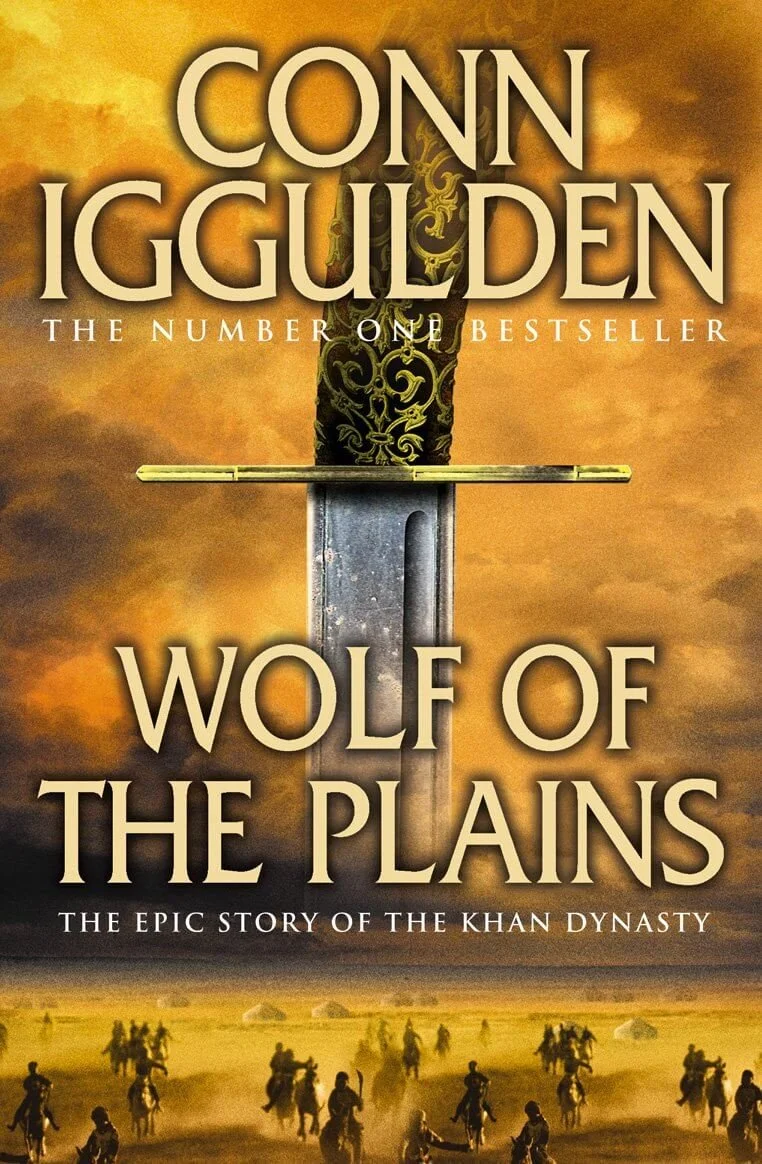
5. Conn Iggulden - Wolf Of The Plains
Conn Iggulden specialises in ancient Rome and medieval England, and he's best known for his Emperor series, which follows Roman emperors including Julius Caesar.
My favourite of his books is the series about Genghis Khan, starting with Wolf of the Plains. Iggulden writes fast, propulsive narratives with huge battle sequences, and he's good at making you root for people history mostly remembers as conquerors.
Connect with: the Emperor series, if Rome interests you more than the Mongol steppe.
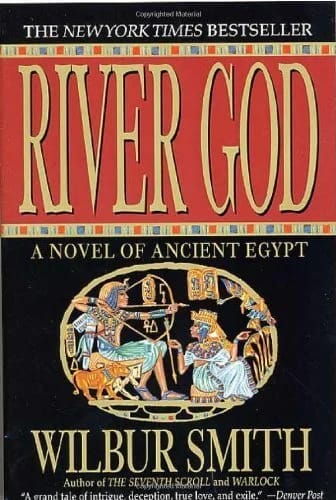
6. Wilbur Smith - River God
Wilbur Smith was a South African author who wrote adventure novels across African history, usually built around exploration, survival, and family sagas that span generations.
His Courtney series is his most famous, running from the 17th century to the present day. My favourite of his books is River God, the first in a series set in ancient Egypt, which reads more like an adventure novel than a slow literary one and is a good entry point if you want pace over prose.
Connect with: the rest of the Egypt series if River God grips you, or the Courtney series if you're after a longer commitment.
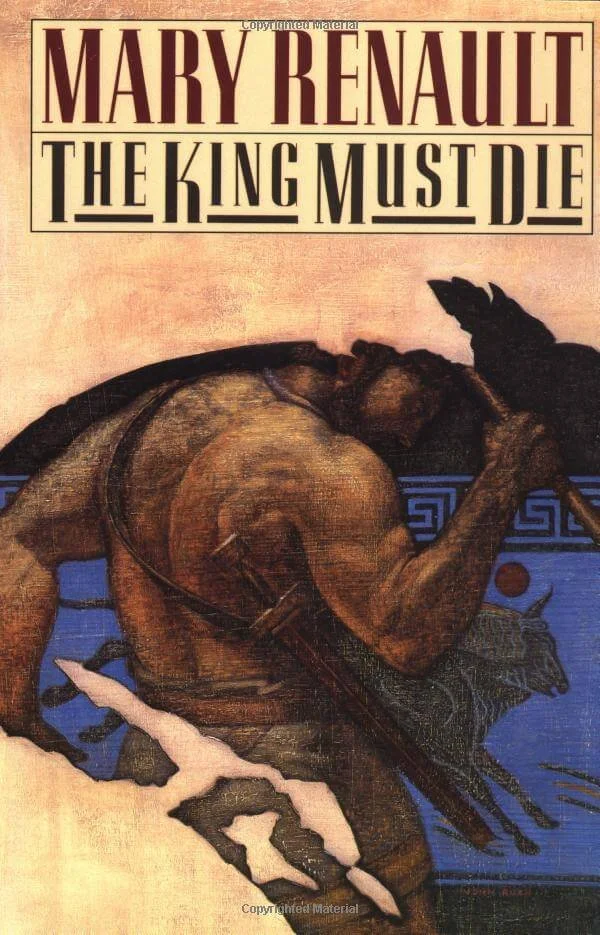
7. Mary Renault - The King Must Die
Mary Renault, born in Britain in 1905, spent most of her career bringing ancient Greece to the page with a level of research most authors in the genre don't attempt.
The King Must Die, her best known novel, retells the myth of Theseus without leaning on fantasy or mysticism, grounding the story in what we actually know about Bronze Age Greece. The Persian Boy, about Bagoas, a companion to Alexander the Great, is worth reading straight after.
Connect with: our guide to the best books about Greek mythology if this period is your thing.

8. Kristin Hannah - The Nightingale
Kristin Hannah had been writing for decades before The Nightingale, published in 2015, made her a household name, and The Women, released more recently, has kept her there.
The Nightingale follows two sisters in occupied France during the Second World War, and Hannah doesn't shy away from how differently resistance and survival can look depending on the choices actually available to you. It's an emotionally heavy read, and one of the most widely read historical novels of the last decade for good reason.
Connect with: The Women, her most recent major release, which follows a nurse serving in Vietnam.
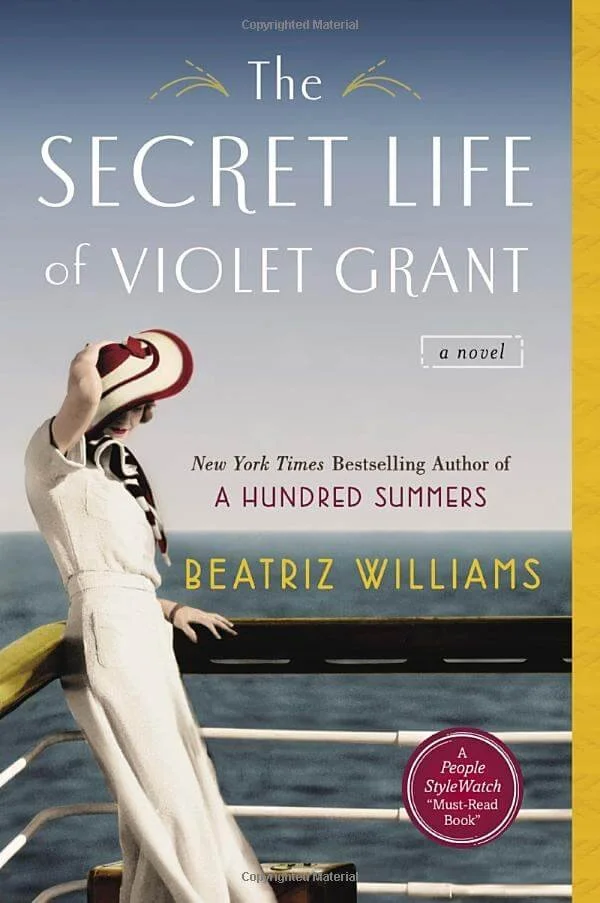
9. Beatriz Williams - The Secret Life Of Violet Grant
Beatriz Williams writes historical fiction usually set in the early 20th century, circling around love, secrets, and family history that catches up with people decades later.
The Secret Life of Violet Grant spans fifty years, from the First World War through to the Kennedy era, and A Hundred Summers is worth reading alongside it if you want more of her particular blend of mystery and period detail.
Connect with: A Hundred Summers.
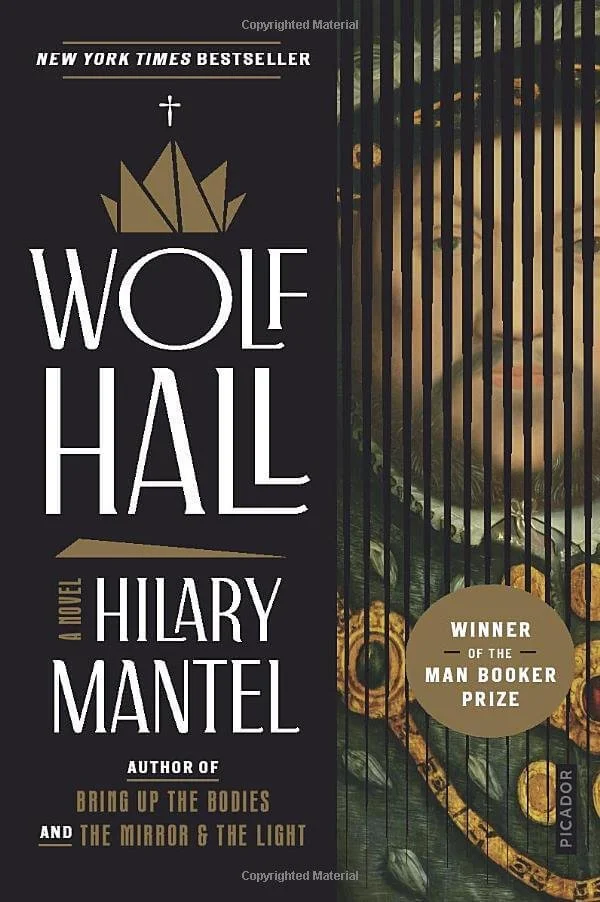
10. Hilary Mantel - Wolf Hall
Hilary Mantel is the writer most people point to when they want to argue historical fiction belongs in the same conversation as literary fiction. The Thomas Cromwell trilogy, Wolf Hall, Bring Up the Bodies, and The Mirror and the Light, follows Cromwell's rise in the court of Henry VIII, and won Mantel the Booker Prize twice.
What makes the trilogy work is how close the prose sits to Cromwell's own head for nearly two thousand pages. Mantel takes a calculating, often ruthless man and makes him feel entirely human, which is a harder trick than it sounds.
Connect with: nothing else quite matches the trilogy, but if you want more Tudor court politics from a different angle, see Philippa Gregory above.

11. Colson Whitehead - The Underground Railroad
Colson Whitehead has won the Pulitzer Prize twice, first for The Underground Railroad and then for The Nickel Boys, and both books use historical fiction to look directly at the worst parts of American history without flinching from it.
The Underground Railroad reimagines the network of safe houses that helped enslaved people escape the South as an actual railroad running beneath the ground. It sounds like a small conceit, but it changes how the whole book moves. It won the National Book Award as well as the Pulitzer, and earned both.
Connect with: The Nickel Boys, set in a reform school in 1960s Florida, shorter and just as devastating.
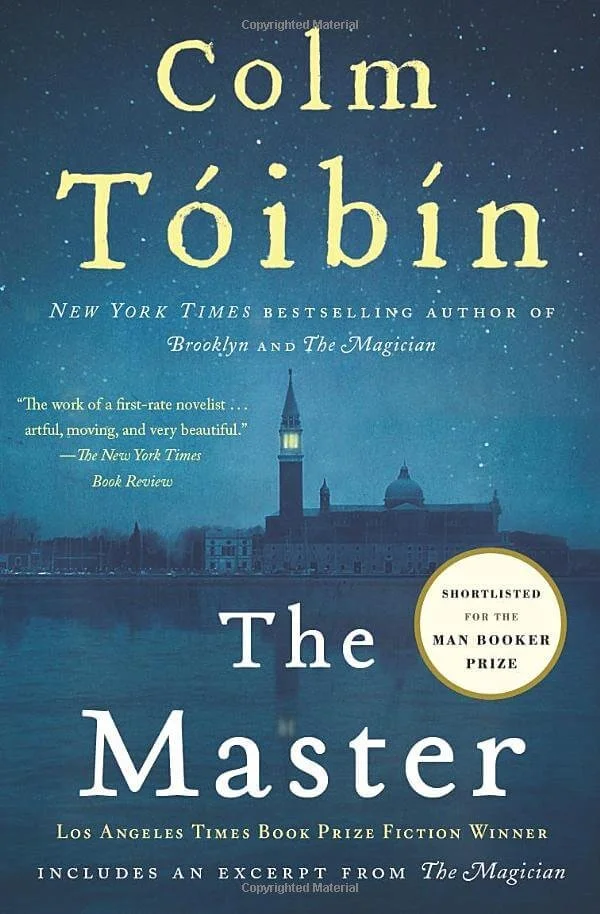
12. Colm Toibin - The Master
Colm Toibin is an Irish author who works across literary fiction and historical fiction, usually circling questions of identity, family, and Irish history.
Brooklyn, his most widely read book, follows an Irish immigrant building a life in 1950s New York. The Master, a fictionalised account of the life of Henry James, is quieter and more introspective, and it's the one I'd point people to first if they want to see what Toibin does at his best.
Connect with: Brooklyn, if you want something more accessible to start with.
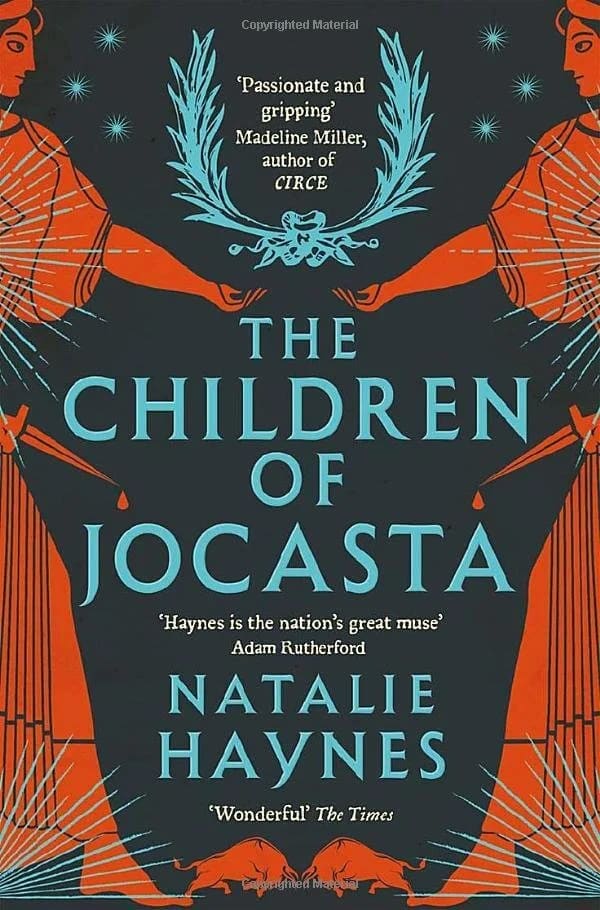
13. Natalie Haynes - The Children Of Jocasta
Natalie Haynes is a British author and broadcaster who writes both fiction and non-fiction about ancient Greece and Rome, with a particular focus on retelling stories from perspectives the original myths left out.
The Children of Jocasta retells Oedipus and Antigone from the perspective of the women in those stories, who get almost no voice in the original myths. It's my favourite of her novels, and a natural next read once you've been through Mary Renault above.
Connect with: our guide to the best books about Greek mythology.
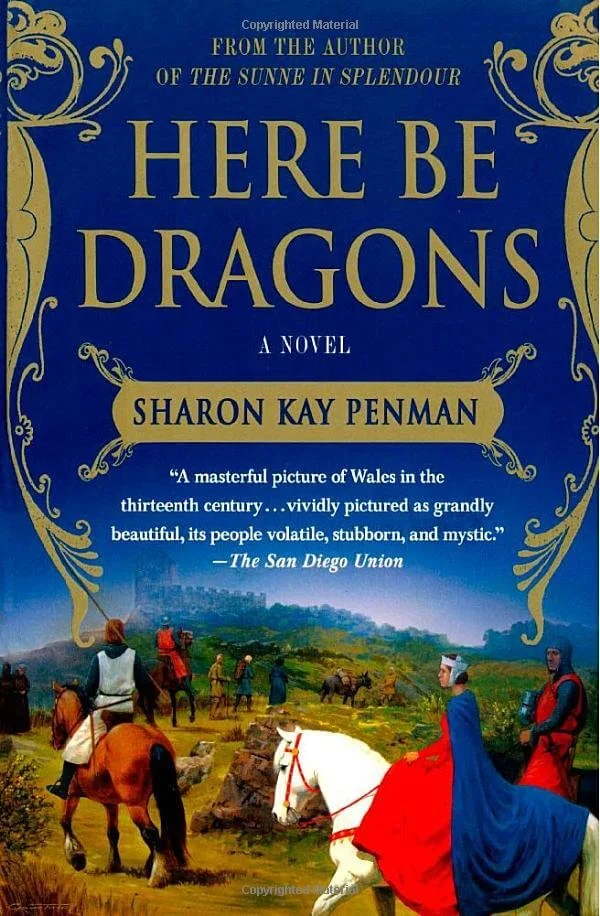
14. Sharon Penman - Here Be Dragons
Sharon Penman specialised in medieval England and Wales, and her novels tend to circle real historical figures and events rather than invented plots layered on top of history.
Here Be Dragons, the first in her Welsh Princes trilogy, is set in a genuinely turbulent 13th century Wales. A thief once stole an early draft of the manuscript from her car, and it set her back five years before she finally got the book published in 1982.
Connect with: The Sunne in Splendour, her novel about Richard III and the Wars of the Roses.
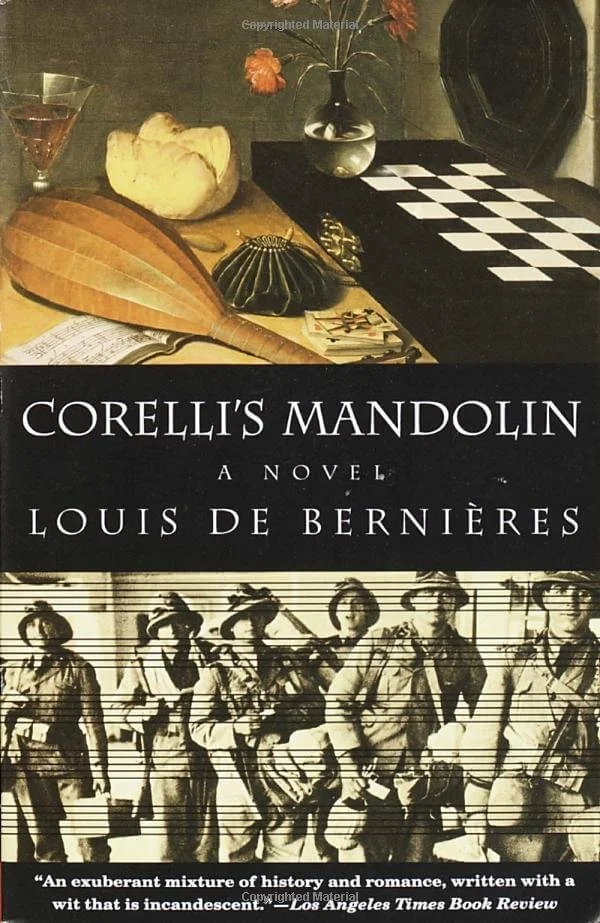
15. Louis de Bernières - Captain Corelli's Mandolin
Louis de Bernières writes with a mix of wit and genuine sadness that's hard to pull off well, and Captain Corelli's Mandolin, set on the Greek island of Cephalonia during the Second World War, is where he does it best. It's one of my own favourite novels.
Birds Without Wings, set in the collapsing Ottoman Empire, and The Dust That Falls From Dreams, set around the First World War, are both worth reading once you've finished Corelli, though neither quite reaches the same heights.
On a personal note, whilst I highly recommend this novel because it's moving, and harrowing, and a powerful examination of what life was like in Nazi occupied Europe, but the ending did annoy me.
Connect with: Birds Without Wings.
The Authors At A Glance
| Author | Start With | Setting |
|---|---|---|
| Bernard Cornwell | The Last Kingdom | Anglo-Saxon Britain |
| Ken Follett | Pillars of the Earth | 12th century England |
| Philippa Gregory | The Other Boleyn Girl | Tudor England |
| Diana Gabaldon | Outlander | 18th century Scotland |
| Conn Iggulden | Wolf of the Plains | The Mongol steppe |
| Wilbur Smith | River God | Ancient Egypt |
| Mary Renault | The King Must Die | Bronze Age Greece |
| Kristin Hannah | The Nightingale | Occupied France, WWII |
| Beatriz Williams | The Secret Life of Violet Grant | Early 20th century |
| Hilary Mantel | Wolf Hall | Tudor England |
| Colson Whitehead | The Underground Railroad | Antebellum American South |
| Colm Toibin | The Master | Late 19th century |
| Natalie Haynes | The Children of Jocasta | Ancient Greece |
| Sharon Penman | Here Be Dragons | 13th century Wales |
| Louis de Bernières | Captain Corelli's Mandolin | WWII Greece |
Frequently Asked Questions
Is historical fiction based on true events?
Usually, yes, at least in part. The best historical fiction authors set invented characters and plots against real events, settings, and sometimes real historical figures, and they do the research to get the texture of the period right. The plot itself, though, is fiction. A historical novel isn’t a textbook, and it shouldn’t be read as one.
What’s the difference between historical fiction and historical fantasy?
Historical fiction stays within what actually happened or could plausibly have happened. Historical fantasy borrows the setting and texture of a real period but adds magic, gods, or invented history on top. Diana Gabaldon’s Outlander sits close to that line with its time travel, but the 18th century Scotland she writes is otherwise grounded in real history, which is why it’s usually shelved as historical fiction rather than fantasy.
Do I need to read these authors’ books in order?
Most of the authors on this list write standalone novels or loosely connected series, so you can generally start wherever a premise grabs you. The exceptions are trilogies with a single continuous story, like Hilary Mantel’s Cromwell books or Mary Renault’s Alexander novels, which are worth reading in publication order.
Which of these authors should I read first?
If you’re new to the genre, Bernard Cornwell or Conn Iggulden give you the fastest, most immediate entry point. If you want to understand why critics take historical fiction seriously as literature, start with Hilary Mantel.
Final Words
There’s no single best historical fiction author, because the genre covers too much ground for one answer to make sense. What connects everyone on this list is a refusal to let research get in the way of story, and a willingness to make you feel something about people who, in most cases, never actually existed.
Start with whichever one matches what you’re in the mood for. You’ll find your way to the rest eventually.
Track your way through these authors, log what you’ve read, and find your next historical fiction pick on Litloop, the free reading tracker for fiction fans.
You Might Also Like

Love books? You'll love Litloop.
Track your reading, send personal recs, and have real conversations about the books you love.
Create free accountFree forever · Beta now live · iOS & Android apps coming soon