This post may contain affiliate links. As an Amazon Affiliate, I may earn a small commission from qualifying purchases at no extra cost to you. Read the full disclaimer here.
Robin Hobb is a beloved author in the fantasy genre, known for her richly imagined worlds and complex characters. One of her most significant contributions to the genre is the Farseer Trilogy — introducing readers to the realm of the Six Duchies and the character of FitzChivalry Farseer, and personally my favourite of her work.
Since publishing the Farseer Trilogy, Robin Hobb has published multiple series set in the same world, including the Liveship Traders Trilogy, the Tawny Man Trilogy, and the Fitz and the Fool Trilogy. In this article, we explore the Farseer Trilogy as well as her wider body of work, discussing the importance of reading order and the impact of her writing on the fantasy genre.
The Farseer Trilogy: An Overview
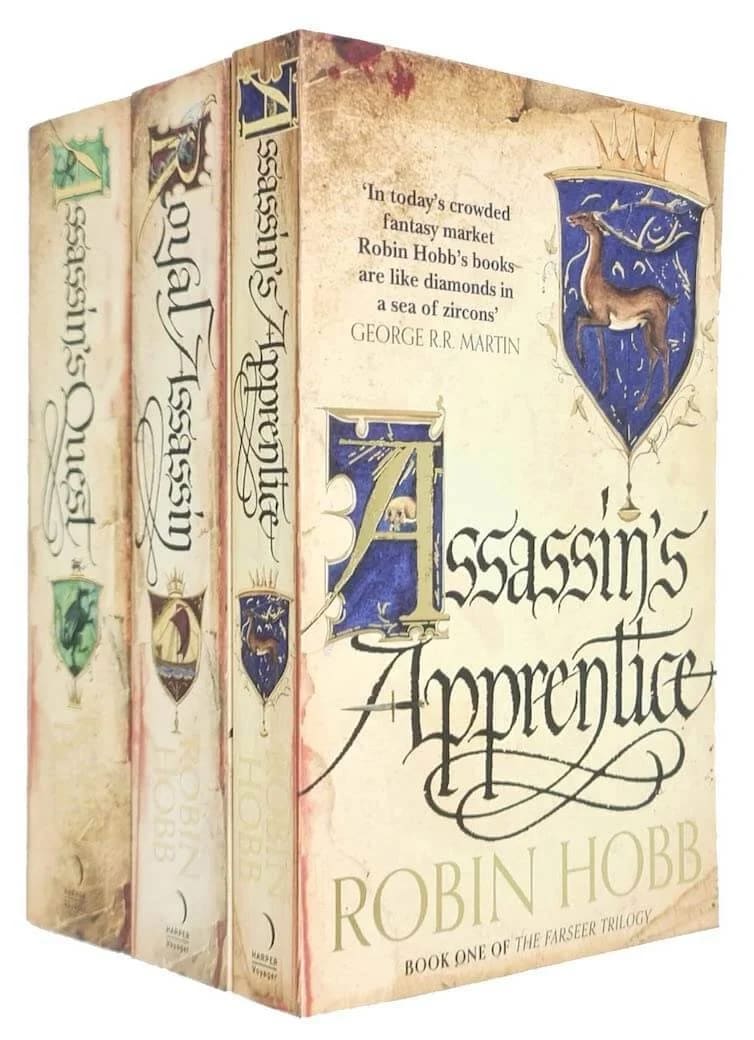
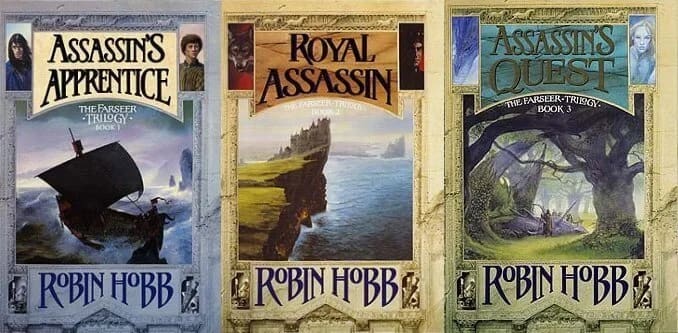
The Farseer Trilogy is set in a world of magics that are both revered and feared, known and forgotten. The main character, FitzChivalry Farseer, is the bastard son of Prince Chivalry and is raised in the royal household of the Farseers.
However, this isn’t a fun story about a prince realising his destiny. Fitz is an outcast, despised by the courts for what he represents — a child manipulated and used by almost everyone around him. As the name of the first book, Assassin’s Apprentice, suggests, he is apprenticed to the court assassin and regularly placed in dangerous scenarios as an expendable asset.
Robin Hobb and Magic in the Six Duchies
On top of being the bastard son of the beloved Chivalry, Fitz is gifted with both the Skill and the Wit. The Skill is a powerful royal magic that allows long-distance telepathy, powerful illusions, and mental manipulation. The Wit (also known as “Old Blood”) is a shunned magic, despised and feared — it allows people to telepathically communicate and bond with animals. Fitz bonds with a young wolf who becomes his constant companion. However, within the Six Duchies, legends have it that practitioners of the Wit slowly lose their humanity to become more animal than man.
The three books that make up the trilogy are an epic journey of self-discovery, of dragons, Elderlings, and ancient barely understood magic — a story of the underdog fighting against all the odds to save a world that hates and fears him.
Readers who like Robin Hobb and dark fantasy may also like John Gwynne and his Bloodsworn Saga.
Recommended Reading Order for Robin Hobb Books
Many of her books take place in the same world and feature interconnected characters and storylines. Whilst it’s not essential to read them in order, it is recommended to start at the beginning with Assassin’s Apprentice, as reading them in order enhances the experience and leads to a deeper understanding of the world-building and characters.
Recommended reading order for Robin Hobb’s books:
1. The Farseer Trilogy:
- Assassin’s Apprentice (1995)
- Royal Assassin (1996)
- Assassin’s Quest (1997)
2. The Liveship Traders Trilogy:
- Ship of Magic (1998)
- The Mad Ship (1999)
- Ship of Destiny (2000)
3. The Tawny Man Trilogy:
- Fool’s Errand (2001)
- Golden Fool (2002)
- Fool’s Fate (2003)
4. The Rain Wild Chronicles:
- Dragon Keeper (2009)
- Dragon Haven (2010)
- City of Dragons (2012)
- Blood of Dragons (2013)
5. The Fitz and the Fool Trilogy:
- Fool’s Assassin (2014)
- Fool’s Quest (2015)
- Assassin’s Fate (2017)
Each trilogy generally focuses on a different protagonist, but all take place in the same universe with many interconnected plot lines. The Liveship Traders Trilogy introduces new characters and locations while also featuring some characters from The Farseer Trilogy. The Tawny Man Trilogy continues the story of Fitz while bringing the Fool centre stage.
Fans of Robin Hobb may also like The Best Sci-Fi Books by Ursula K Le Guin
An Overview of Robin Hobb’s Books in Order
The Farseer Trilogy
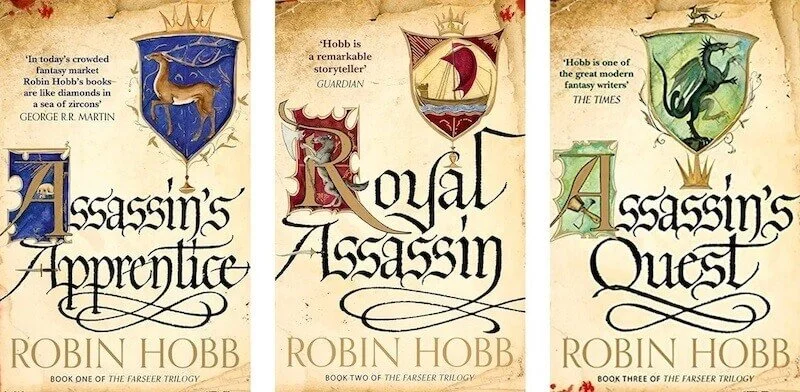
Assassin’s Apprentice (1995) — The first book introduces us to FitzChivalry Farseer, a young boy who is the bastard son of a prince. Fitz is trained as an assassin, and he must navigate political intrigue and personal relationships to survive.
Royal Assassin (1996) — In the second book, Fitz continues to serve as an assassin for the royal family. However, he must also deal with personal tragedies and the threat of an invading army.
Assassin’s Quest (1997) — The final book sees Fitz on a quest to avenge his loved ones and reunite with lost family.
The Liveship Traders Series
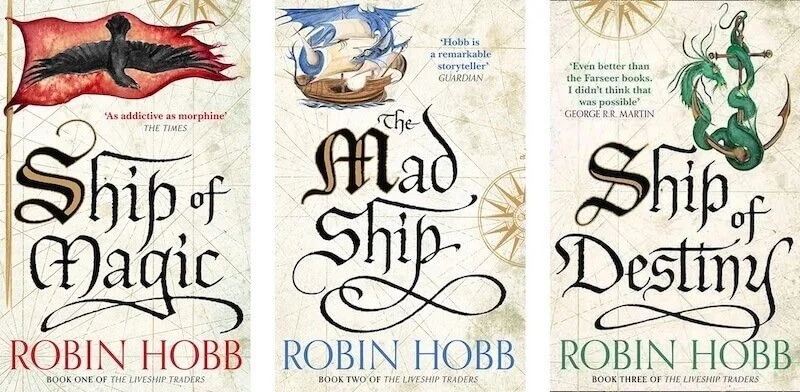
Ship of Magic (1998) — The first book introduces readers to the city of Bingtown, where wealthy merchant families own sentient “liveships” made of magical wizardwood. The Vestrit family is preparing to launch their liveship, Vivacia, when the patriarch suddenly dies. The family’s finances are in dire straits — and Vivacia’s new captain has ulterior motives.
The Mad Ship (1999) — The second book follows the Vestrit family as they try to save Vivacia and unravel the mysteries of the liveships. The pirate Kennit is determined to become a king, while a group of former slaves from the Rain Wilds embark on a journey to find the legendary city of Kelsingra.
Ship of Destiny (2000) — The final book brings all the various plot threads together in a thrilling conclusion. The liveships themselves play a crucial role, and the book features crossover with characters from the Farseer Trilogy, tying the two series together.
The Tawny Man Trilogy
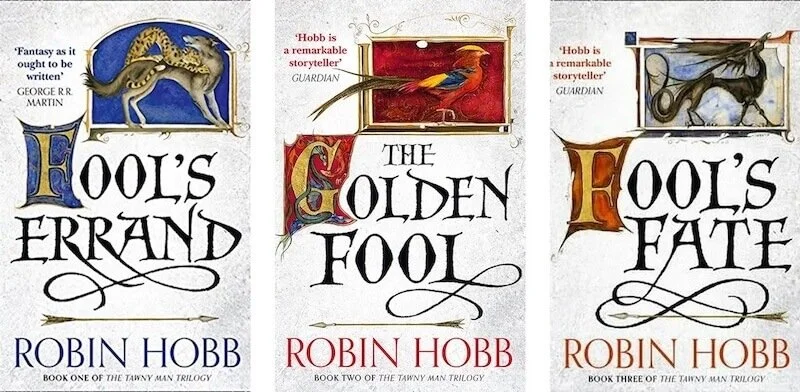
Fool’s Errand (2001) — This trilogy takes place 15 years after the events of the Farseer Trilogy. Fitz is now living a quiet life as a beekeeper, but is drawn back into the world of politics and magic when an old friend returns.
Golden Fool (2003) — In the second book, Fitz must navigate the treacherous political landscape of Buckkeep while also trying to uncover the truth about the mysterious Fool.
Fool’s Fate (2004) — The final book sees Fitz and the Fool on a perilous journey to save the Six Duchies from destruction.
The Rain Wild Chronicles
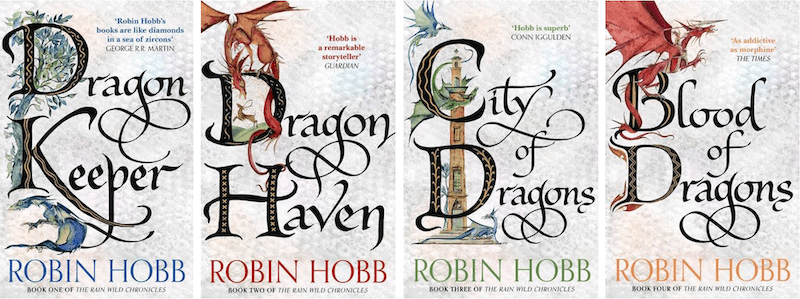
Dragon Keeper (2009) — Set in the same universe as the Farseer Trilogy but following a new set of characters. The story begins with a group of dragon keepers tasked with transporting a group of young dragons to a new home.
Dragon Haven (2010) — In the second book, the dragon keepers face new challenges as they try to create a new home for the dragons.
City of Dragons (2012) — Tensions rise between the dragon keepers and the people of Kelsingra as they compete for resources.
Blood of Dragons (2013) — The final book sees the dragon keepers facing their greatest challenge yet as they try to save the dragons from a deadly disease.
The Fitz and the Fool Trilogy
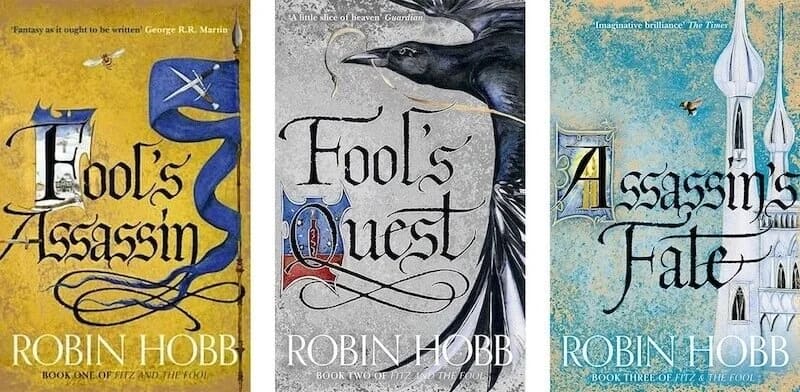
Fool’s Assassin (2014) — This trilogy takes place several years after the end of the Tawny Man Trilogy. Fitz is living a peaceful life with his family, but is forced to confront the past when the Fool returns.
Fool’s Quest (2015) — In the second book, Fitz and the Fool set out on a quest to find the missing prince and prevent a catastrophic war.
Assassin’s Fate (2017) — The final book sees Fitz facing his greatest challenge yet as he confronts his own mortality and once again finds the fate of the Six Duchies in his hands.
The Importance of Robin Hobb and The Farseer Trilogy in Fantasy Literature
The Farseer Trilogy is often cited as a game-changer in the fantasy genre. It features a realistic and flawed protagonist who is not the typical hero found in epic fantasy. Fitz’s struggles with his identity and place in the world make him a relatable and sympathetic character. Hobb’s focus on character development and emotional depth set her writing apart from other fantasy authors.
The Farseer Trilogy also paved the way for other authors to explore the nuances of character and theme in their writing. It’s no coincidence that the rise of grimdark fantasy coincided with the popularity of the Farseer Trilogy.
Robin Hobb and the Farseer Trilogy: Final Words
Robin Hobb’s Farseer Trilogy and subsequent works have left an indelible mark on the fantasy genre. Her vivid characters, intricate plots, and unparalleled world-building have captivated readers for decades.
From experience, I believe starting at the beginning offers the best reading order. The first trilogy is also my favourite, followed closely by the Liveship books — both have dramatic reveals in the final books that will change how you see the rest of the story.
Robin Hobb’s books are an unforgettable journey for any fantasy lover. So buckle up and get ready to dive into a world of dragons, magic, and adventure with one of the most beloved fantasy authors of our time.
You Might Like
- The Best of John Gwynne: Gods, Giants, Angels, Malice and Wrath
- 31 Best Fantasy Books You Need To Read Today
- 11 of the Best Books by Brandon Sanderson
- How To Read David Gemmell’s Drenai Series
Check out Sunset In the East — a mind-bending short story collection from Ben Luxon.

Love books? You'll love Litloop.
Track your reading, send personal recs, and have real conversations about the books you love.
Create free accountFree forever · Beta now live · iOS & Android apps coming soon